Swimming Pool Materials in Florida: What Lasts Longer and Requires Less Maintenance?
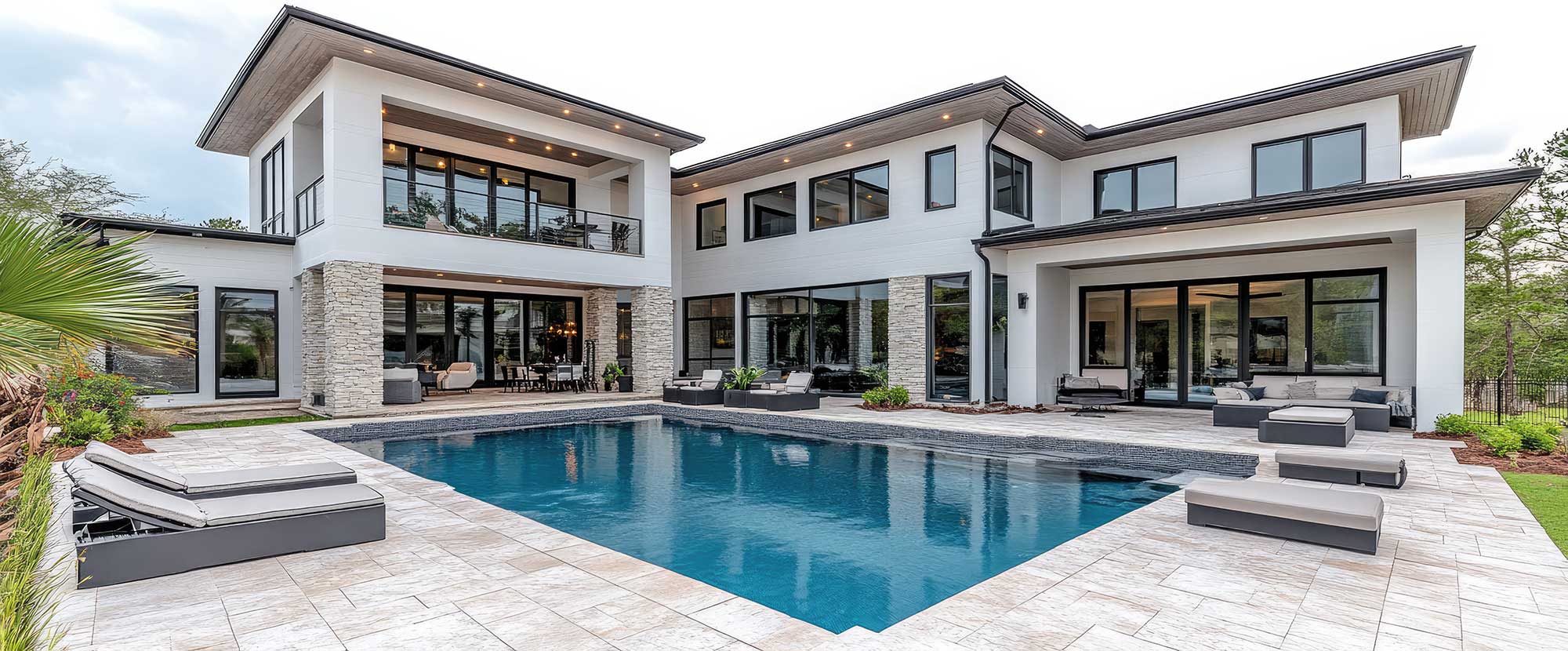
Choosing to build a pool in Sarasota or Manatee County is a significant investment in both lifestyle and property value. However, Florida’s Gulf Coast environment presents unique construction challenges, high water tables, sandy soil, intense UV exposure, and salt-laden air.
Selecting the right swimming pool materials isn’t just about aesthetics. It’s about engineering a structure that will perform reliably for decades in coastal conditions. At Swim Incorporated, we specialize in high-end pool construction and remodeling, helping homeowners understand the critical differences in fiberglass vs gunite pools so they can make a confident, long-term decision.
The Foundation Debate: Fiberglass vs Gunite Pools
The most common question homeowners ask is whether to choose fiberglass or concrete. Understanding how each material performs in Florida soil conditions is essential.
1. Custom Gunite (Concrete) Pools: The Structural Benchmark
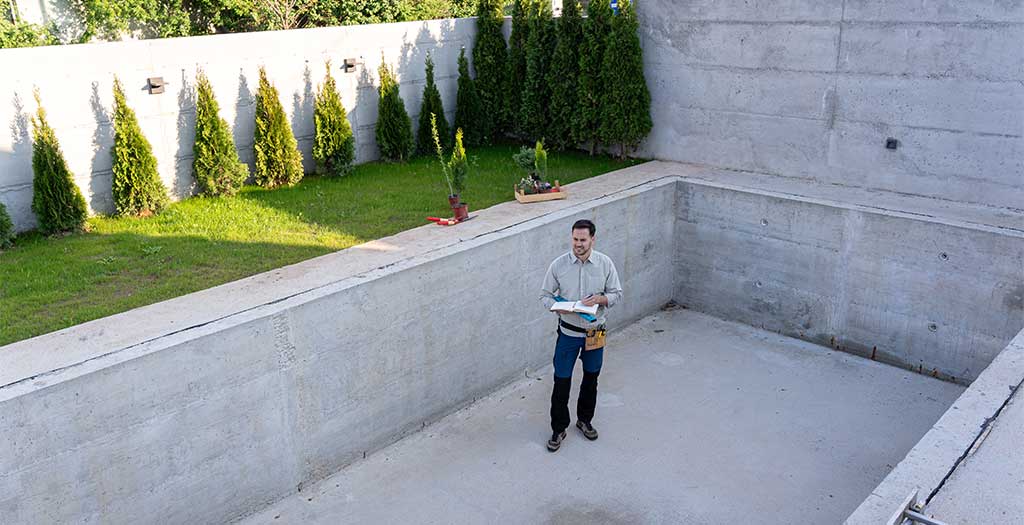
Gunite pools are constructed by spraying a mixture of cement and sand over a reinforced steel rebar framework. In luxury communities like Siesta Key and Lakewood Ranch, gunite remains the preferred choice for several reasons:
Structural Strength
Gunite pools are built directly into the ground as a monolithic structure. This makes them exceptionally well-suited to Florida’s shifting sandy soil and elevated water tables.
Unlimited Customization
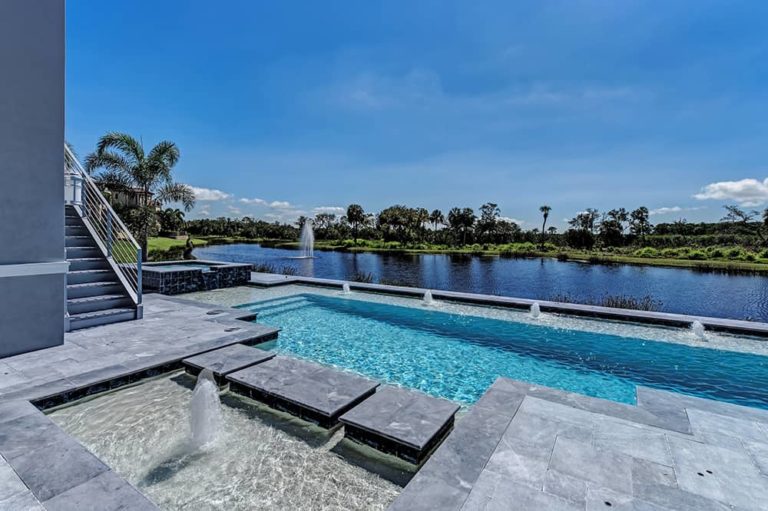
Because the pool is sculpted on-site, there are virtually no limits to shape, depth, or architectural features. Through custom pool design services, homeowners can incorporate beach entries, tanning ledges, custom spas, grottos, and vanishing edges.
Longevity
When engineered properly, a gunite shell can last 50 to 100 years, making it one of the most durable swimming pool materials available.
2. Fiberglass Pools: The Low-Maintenance Alternative
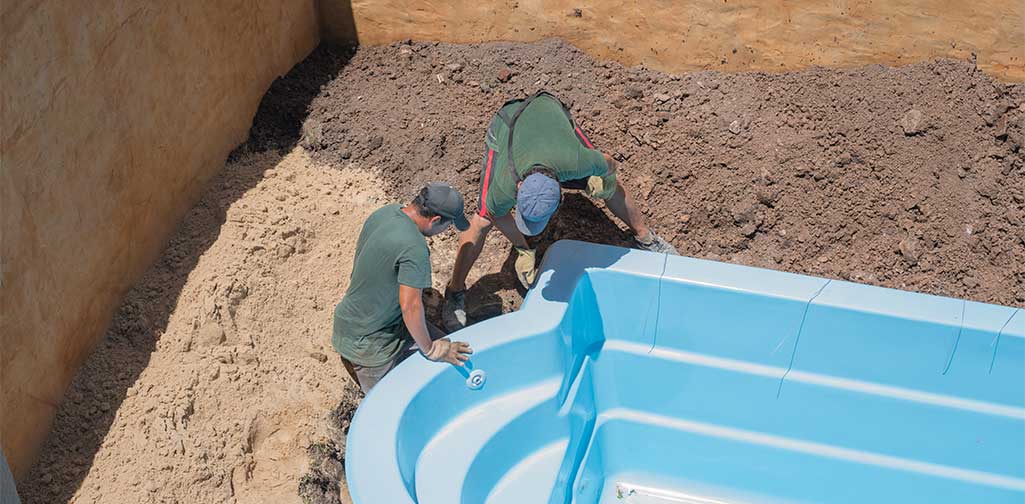
Fiberglass pools are manufactured as pre-formed shells and delivered to the property in one piece.
Smooth, Non-Porous Surface
The gel coat finish resists algae growth and is easier to clean than porous surfaces.
Faster Installation Timeline
Because the shell is pre-made, installation is typically faster than a full custom build.
Design Limitations
With fiberglass, you are limited to the manufacturer’s molds. Custom architectural features are not possible.
High Water Table Considerations
In areas like Sarasota with elevated groundwater levels, fiberglass shells must be carefully engineered with sump and drainage systems to prevent flotation during heavy rainfall.
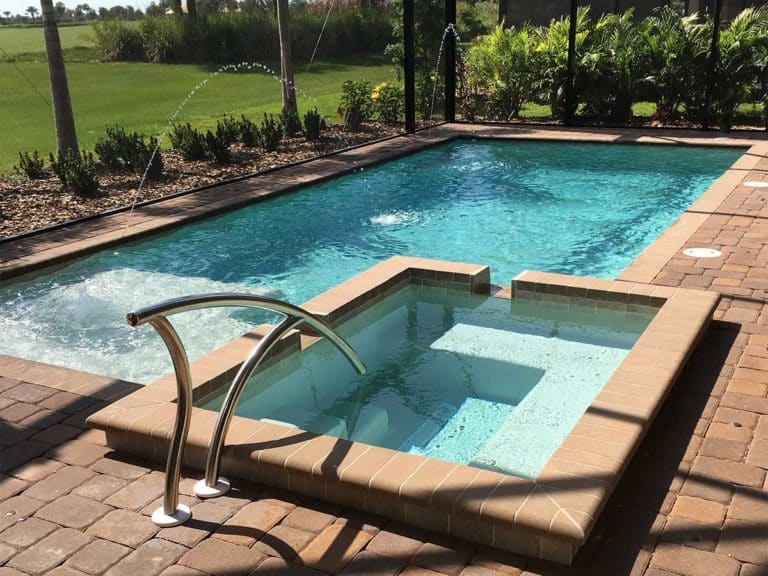
When comparing fiberglass vs gunite pools, fiberglass may offer lower routine maintenance, but gunite provides greater structural stability and customization in Florida conditions.
Why Infinity Pools Require Concrete
One of the most important material decisions involves luxury features like infinity edges.
A true vanishing edge pool relies on a perfectly level weir wall that allows water to spill into a catch basin. Even slight settling or structural flex can disrupt water flow and compromise the visual effect.
Fiberglass is intentionally designed to allow minor flex. Gunite is rigid and permanent.
For precision engineering and permanent structural stability, concrete remains the only material we recommend for infinity pools in Sarasota.
Construction Logistics: What to Expect with Gunite
If you are leaning toward a custom concrete build, understanding the process is important.
Engineering & Permitting
Custom gunite pools require structural engineering plans approved by Sarasota or Manatee County building departments. These plans account for soil type, drainage, and load-bearing capacity.
Space & Equipment Access
Concrete construction requires heavy equipment, steel crews, and gunite application rigs. Adequate access to the property is necessary.
Curing Period
Gunite must cure for approximately 28 days to reach maximum structural strength before interior finishes are applied.
Initial Investment
Gunite pools generally have a higher upfront cost due to labor, steel reinforcement, and custom masonry. However, the long-term property value and structural permanence often outweigh the initial price difference.
To better understand the process from excavation to finish, explore our detailed approach to pool construction.
Beyond the Shell: Decking & Interior Finishes
Choosing durable swimming pool materials extends beyond the shell itself.
Travertine Pavers
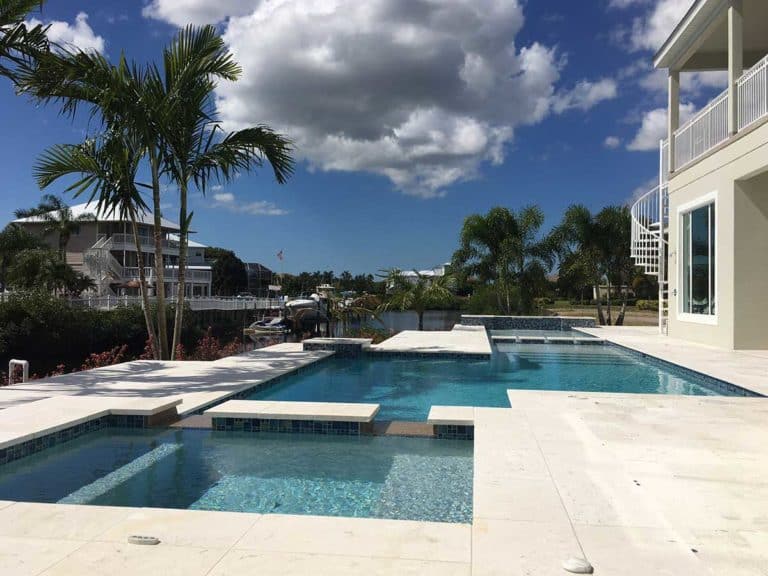
Travertine is highly recommended for Sarasota-area decks because it stays cooler underfoot than concrete or brick, even in 95-degree summer heat.
Pebble Interior Finishes
Standard plaster typically lasts around 10 years. Pebble and aggregate finishes can last 20+ years and perform better with salt-chlorine systems.
Glass Tile Waterlines
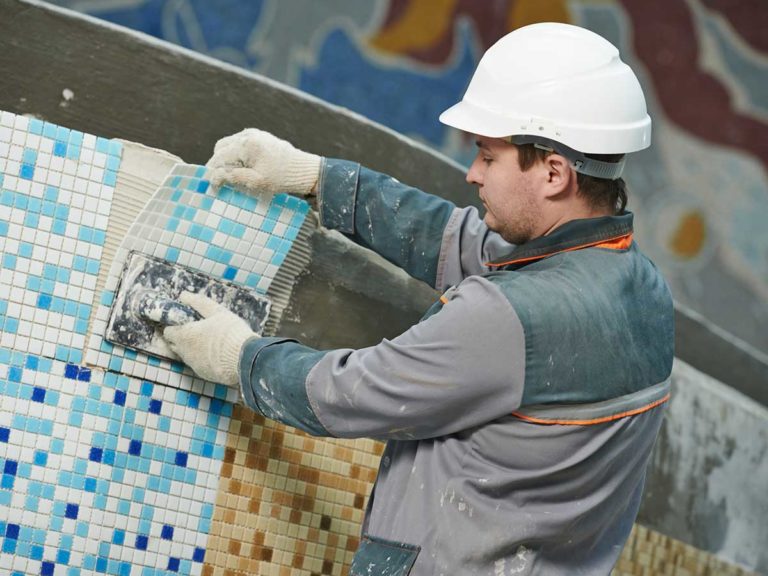
Glass tile offers UV resistance, durability, and easy maintenance, ideal for Florida’’’s sun exposure and mineral-heavy water.
Which Swimming Pool Materials Last Longer?
In Florida’s coastal environment:
The right choice depends on soil conditions, desired features, and long-term investment goals.
Why Sarasota & Manatee Homeowners Choose Swim Incorporated
With decades of experience building pools along the Gulf Coast, Swim Incorporated understands Florida’s environmental demands better than most.
Learn more about our history, credentials, and coastal expertise on our pool company profile.
We specialize in:
Our philosophy is simple: a swimming pool should be a permanent masterpiece — not a temporary installation.
Ready to Build Your Pool the Right Way?
If you’re planning a new build or remodel and want guidance on selecting the right swimming pool materials, our team is here to help.
Schedule your consultation today through our contact page and start designing a pool built to last in Florida’s coastal climate.
FAQs: Swimming Pool Materials